26 Jun 2026
Charting Authentication Protocol Shifts and Their Effects on Cross-Border Player Patterns in Expanding Regulated Markets
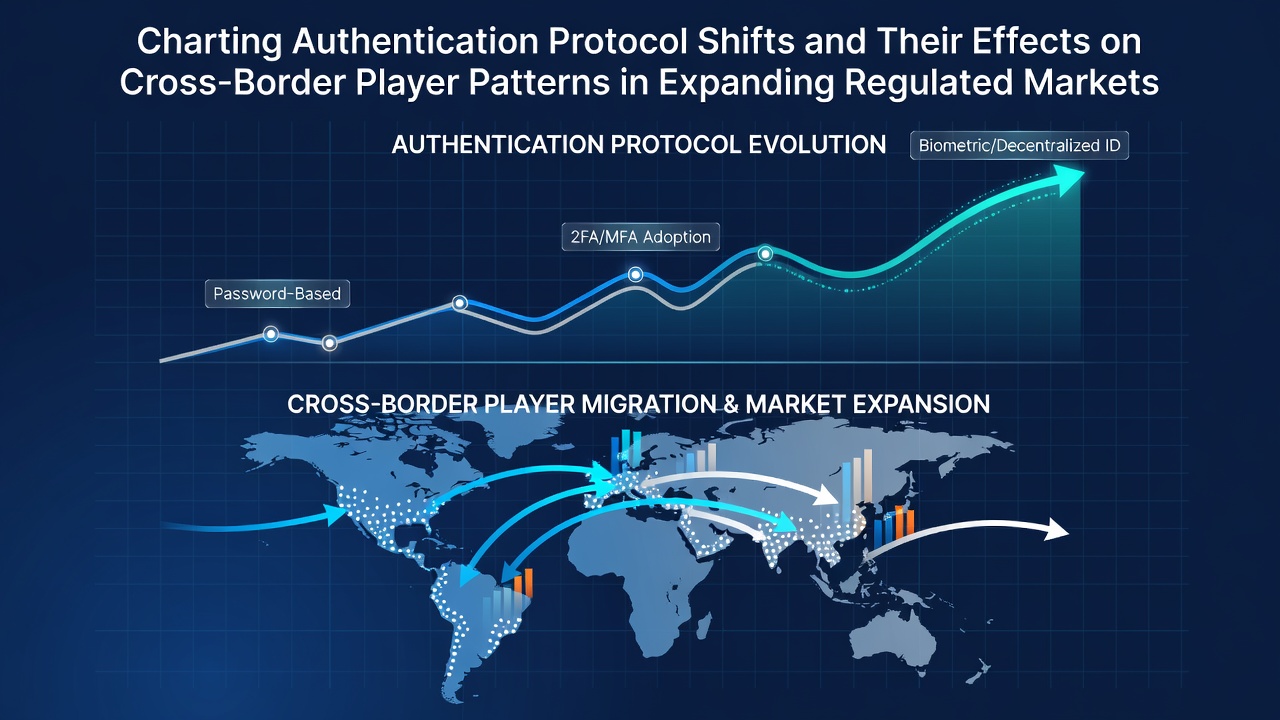
Authentication protocols in regulated gaming markets have undergone measurable changes since 2023, with jurisdictions adopting layered verification methods that combine document checks, biometric data, and device fingerprinting. These adjustments coincide with the expansion of legal online gaming across multiple US states and Canadian provinces, where operators must comply with location-specific rules while managing player accounts that originate from different regulatory zones. Data from state gaming divisions shows that verification completion times dropped by an average of 40 percent in markets that integrated real-time API connections with government databases during 2025.
Protocol Evolution Across Jurisdictions
Traditional know-your-customer processes relied on manual document uploads and delayed manual reviews, yet newer frameworks incorporate facial recognition paired with liveness detection and behavioral analytics. Michigan's Gaming Control Board implemented updated standards in early 2025 that require operators to cross-reference player data against federal watch lists within seconds of account creation. Similar requirements took effect in Ontario under the Alcohol and Gaming Commission of Ontario, where digital wallets now trigger additional authentication layers when transaction patterns suggest activity from outside the province. These changes allow platforms to maintain compliance across borders without forcing users to complete entirely new verification cycles each time they access a different licensed site.
Researchers tracking player behavior through anonymized datasets note that cross-border access requests increased by 28 percent between January and June 2026 in states that share geofencing agreements. The rise correlates with authentication systems that store verified credentials in encrypted profiles, enabling quicker logins once initial approval occurs. One study released by the University of Nevada's gaming research center examined account migration patterns and found that players who verified through biometric methods were 1.7 times more likely to maintain active accounts across two or more regulated markets within a six-month period.
Effects on Player Movement and Access Patterns
Shifts in authentication have altered how players navigate between jurisdictions, particularly in regions where interstate compacts permit shared player pools. When authentication protocols align on core data points such as identity confirmation and age verification, operators report fewer account suspensions caused by mismatched location signals. Figures released by the New Jersey Division of Gaming Enforcement indicate that disputed access attempts fell 19 percent in the first quarter of 2026 compared with the same period in 2025, following the rollout of unified authentication APIs between New Jersey and Pennsylvania platforms.
Yet the same data reveals that markets without synchronized protocols continue to experience friction. Players attempting to access sites from neighboring states with stricter biometric rules encounter additional prompts that interrupt sessions, leading to higher abandonment rates during peak evening hours. Observers tracking traffic logs note that cross-border sessions lasting under five minutes declined sharply once operators adopted persistent verification tokens that carry across approved networks, reducing the need for repeated identity checks.
Regional Implementation and Data Trends
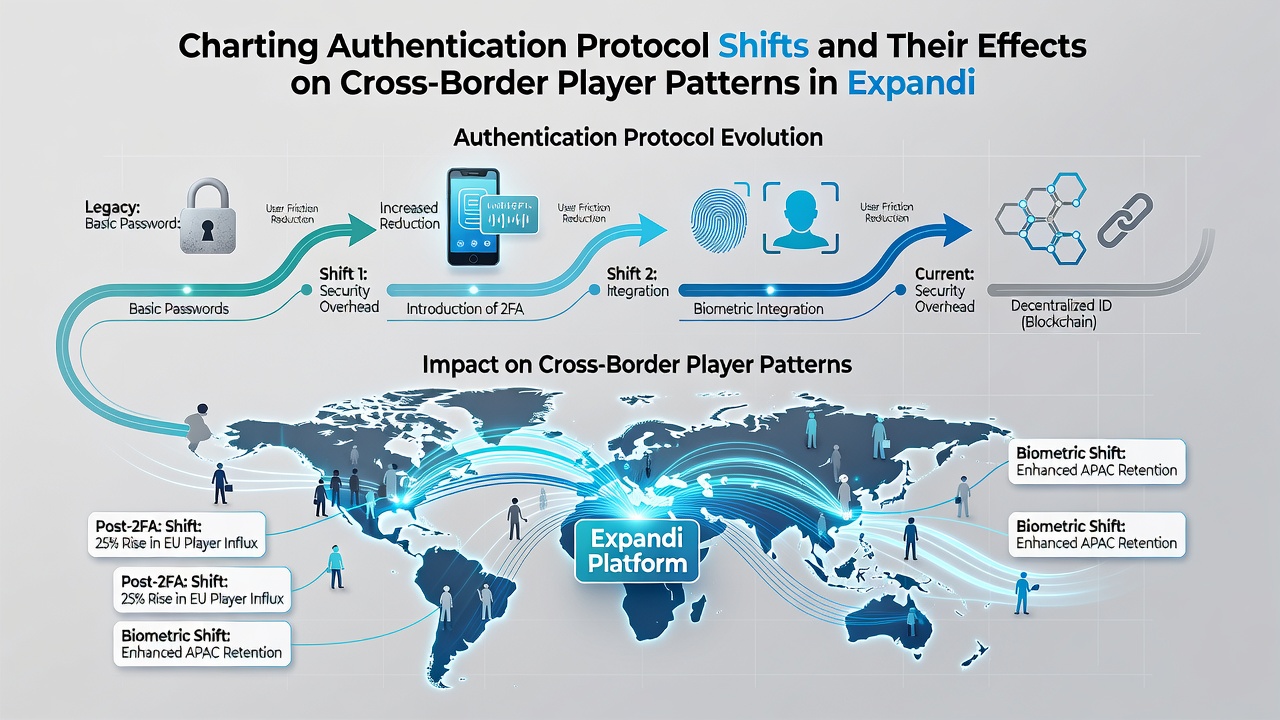
Australian states that expanded online gaming regulations in 2025 introduced mandatory two-factor authentication tied to national identity documents, producing measurable effects on international player traffic. Reports compiled by the Australian Communications and Media Authority show that verified accounts originating from outside Australia increased 14 percent year-over-year, with most new registrations completing verification through mobile-based document scanning rather than email uploads. The streamlined process reduced average verification time to under 90 seconds, allowing operators to onboard players from compatible regulatory environments more efficiently.
Canadian provinces outside Ontario have begun piloting similar systems ahead of potential market openings. Early results from British Columbia's gaming authority indicate that standardized authentication reduces duplicate account creation by 33 percent when players move between provinces. Industry associations such as the Canadian Gaming Association have published summaries noting that consistent protocols also lower operational costs for operators who manage multi-jurisdictional licenses, since fewer manual reviews are required once initial verification clears.
Future Considerations for Market Expansion
Regulatory bodies continue to evaluate emerging technologies such as decentralized identity frameworks that could further streamline cross-border verification while preserving data privacy standards. Pilot programs in several European markets have tested blockchain-based credential storage, though adoption remains limited to controlled environments as of June 2026. Data collected during these trials suggests that players who use portable verified credentials demonstrate higher retention rates across multiple licensed platforms, though full-scale deployment depends on alignment between national data protection rules and gaming-specific requirements.
Market analysts tracking license applications observe that operators seeking entry into new US states increasingly cite authentication compatibility as a key factor in expansion planning. States that have published clear technical specifications for verification APIs attract more licensing interest, according to filings reviewed by the National Council of Legislators from Gaming States. These specifications reduce implementation timelines and allow platforms to maintain consistent player experiences when users travel or relocate between approved regions.
Conclusion
Authentication protocol updates have produced measurable shifts in how players interact with expanding regulated markets, particularly where verification standards align across borders. Data from multiple regulatory sources demonstrates reduced friction in account access, higher cross-jurisdictional engagement, and lower rates of verification-related drop-offs. Continued coordination between gaming authorities and technology providers will determine whether these patterns accelerate as additional markets open and existing frameworks evolve further.