17 Jun 2026
Charting Payment Processor Partnerships Redefining Withdrawal Speed Benchmarks in Approved US Gaming Sites
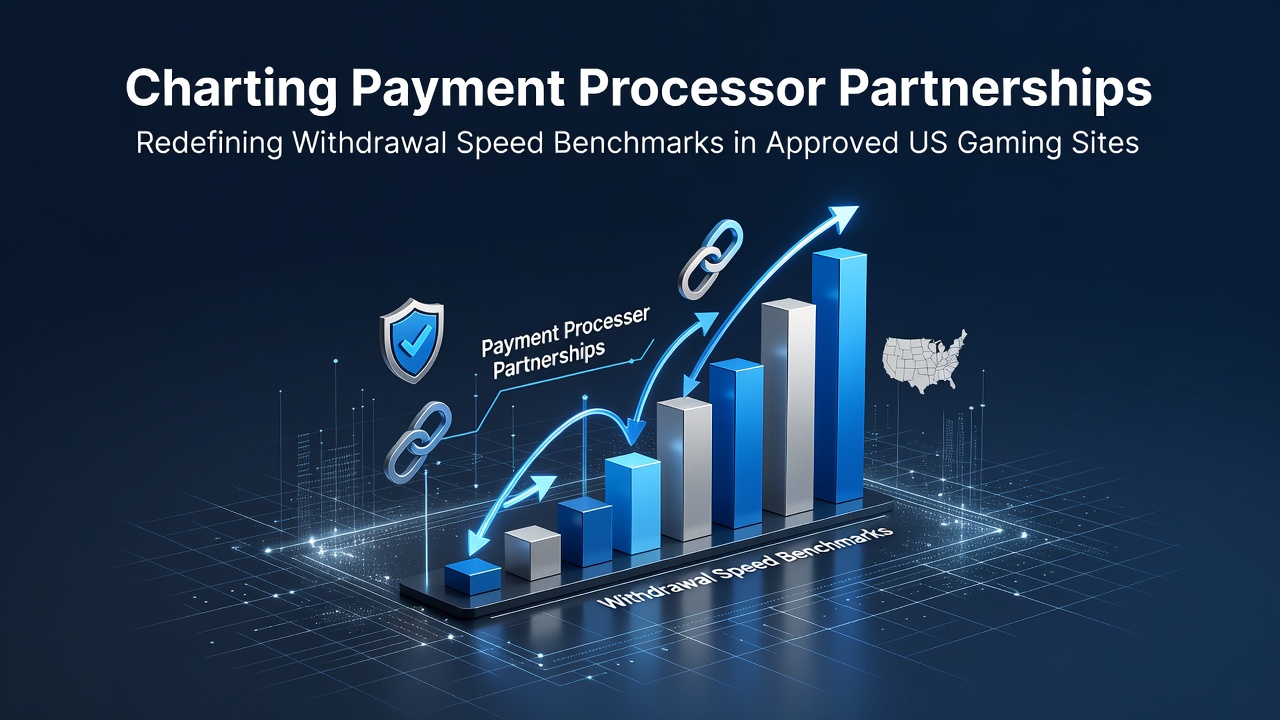
Payment processor partnerships have started reshaping withdrawal timelines across approved US gaming sites, and the shifts became particularly evident by June 2026 as several major operators integrated new settlement protocols. These collaborations focus on streamlining transaction flows between financial institutions and state-regulated platforms, which has led to measurable reductions in processing windows that previously stretched across multiple business days.
Emerging Benchmarks in Withdrawal Processing
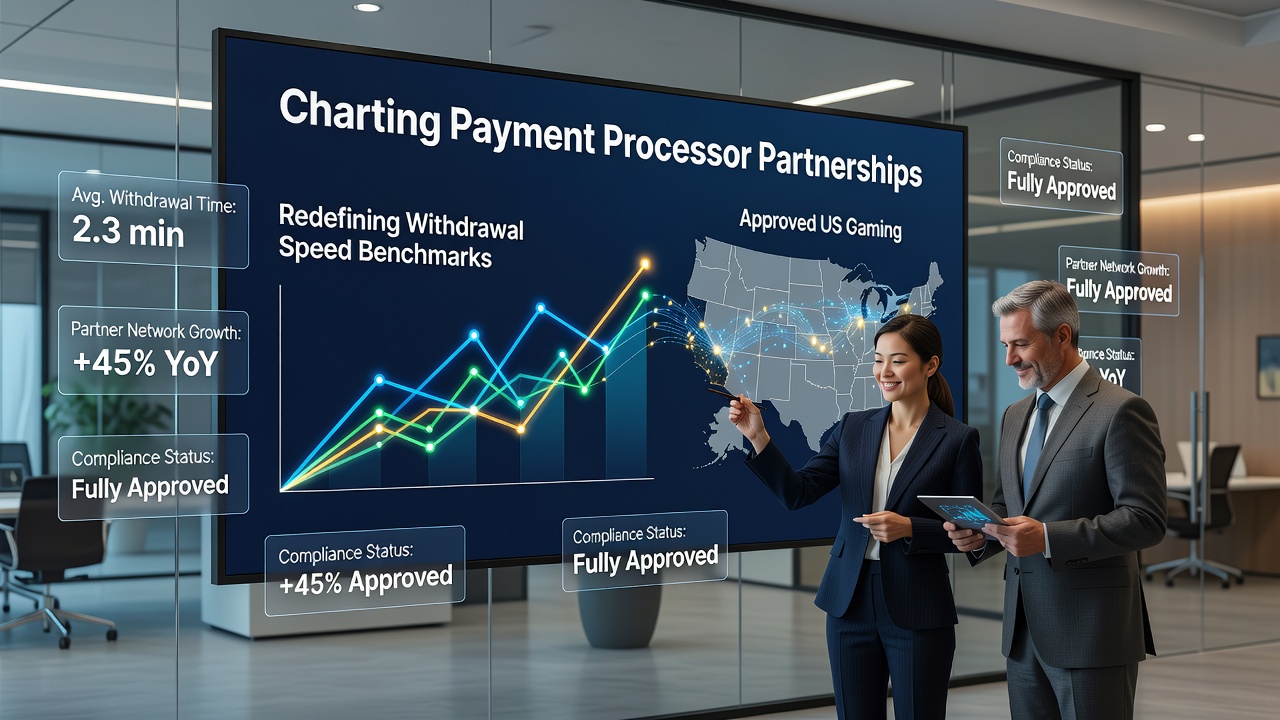
Industry data collected through the first half of 2026 shows average same-day payouts rising from 42 percent of eligible requests in late 2025 to 67 percent by early summer, according to aggregated reports shared among compliance teams at licensed operators. Faster rails such as instant bank transfers and tokenized card settlements now handle a growing share of cashouts, while legacy ACH batches continue to serve as backup options during peak volume periods. Observers note that sites operating under multi-state compacts tend to adopt these upgrades first because their player bases span several regulatory jurisdictions that already mandate quicker fund access.
Strategic Alliances Driving the Changes
Leading processors have signed multi-year agreements with software providers and banking partners to embed real-time verification layers directly into gaming platform back ends. One such arrangement pairs a national digital wallet service with two major US sportsbook operators, enabling automated identity checks that cut manual review times from hours to minutes. These pacts also incorporate dynamic fraud scoring models that adjust approval thresholds based on player history and transaction size, which helps maintain compliance while trimming delays that once occurred during routine security sweeps.
Take teh example of platforms licensed in New Jersey and Pennsylvania, where integrated APIs now route approved withdrawals through dedicated settlement queues that bypass standard banking cutoffs. Data compiled by state oversight bodies indicates these queues have reduced average payout durations to under four hours for verified accounts during non-peak periods. Partnerships like these also extend to regional credit unions, expanding the number of supported financial institutions without requiring players to open new accounts.
Regulatory and Operational Implications
State regulators have responded by updating technical standards that now reference specific settlement speed thresholds for license renewals. In Michigan and West Virginia, gaming control boards began requiring quarterly reports on payout performance metrics starting in the second quarter of 2026, which has encouraged operators to prioritize processor upgrades. Compliance officers report that meeting these benchmarks often hinges on maintaining redundant processor connections so that a single service outage does not push withdrawal times beyond mandated windows.
Meanwhile, payment processors have introduced tiered pricing structures that reward higher-volume sites with lower per-transaction fees when they consistently hit sub-six-hour payout targets. This incentive model appears in several contracts signed during spring 2026 and ties directly to performance dashboards that both parties can access in real time.
Player Access Patterns and Platform Adjustments
Approved sites have adjusted their cashier interfaces to surface estimated arrival times based on chosen payment method and account verification status. Players who complete enhanced KYC steps in advance now see same-day options prioritized in the withdrawal menu, while new accounts receive clearer guidance on the documentation needed to unlock faster processing. These interface changes coincide with broader efforts to reduce support ticket volume related to pending transactions, freeing staff resources for other compliance tasks.
Cross-border elements remain limited because US federal restrictions keep most activity within state lines, yet some processors leverage partnerships with Canadian and Australian clearing houses to handle currency conversion for international-facing tournament payouts that still route through approved domestic sites. Such arrangements stay narrow in scope and require separate licensing reviews before activation.
Conclusion
Payment processor partnerships continue to set new withdrawal speed benchmarks at approved US gaming sites, supported by technical integrations and updated regulatory expectations that took clearer shape by June 2026. As more operators adopt these frameworks, processing timelines are likely to compress further while compliance teams monitor performance through standardized reporting channels. The result is a steadily evolving infrastructure where transaction speed and regulatory adherence move forward together.