Layered Loyalty: How Tiered Rewards Programs Fuel Retention at Top US Online Casinos
20 Apr 2026
Layered Loyalty: How Tiered Rewards Programs Fuel Retention at Top US Online Casinos
The Rise of Tiered Loyalty in US Online Gaming
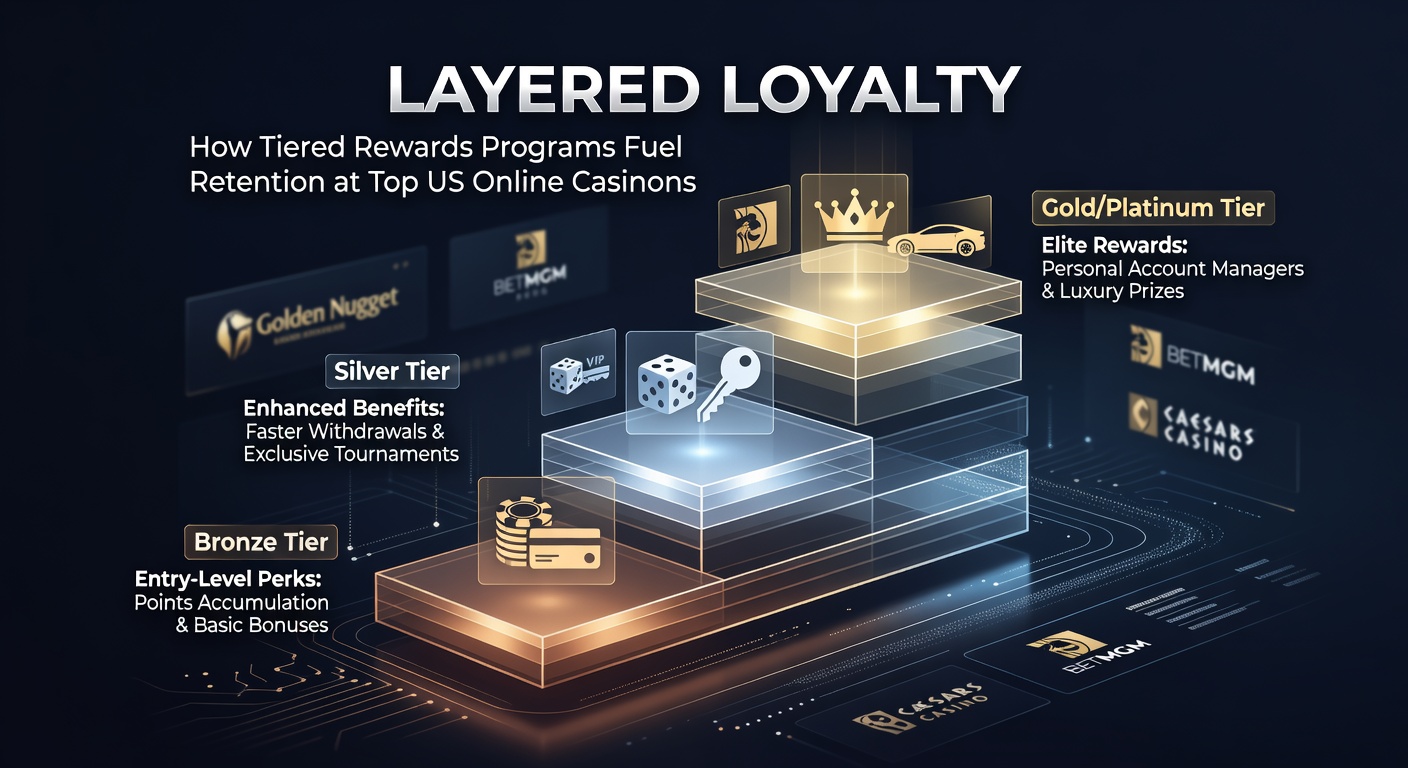
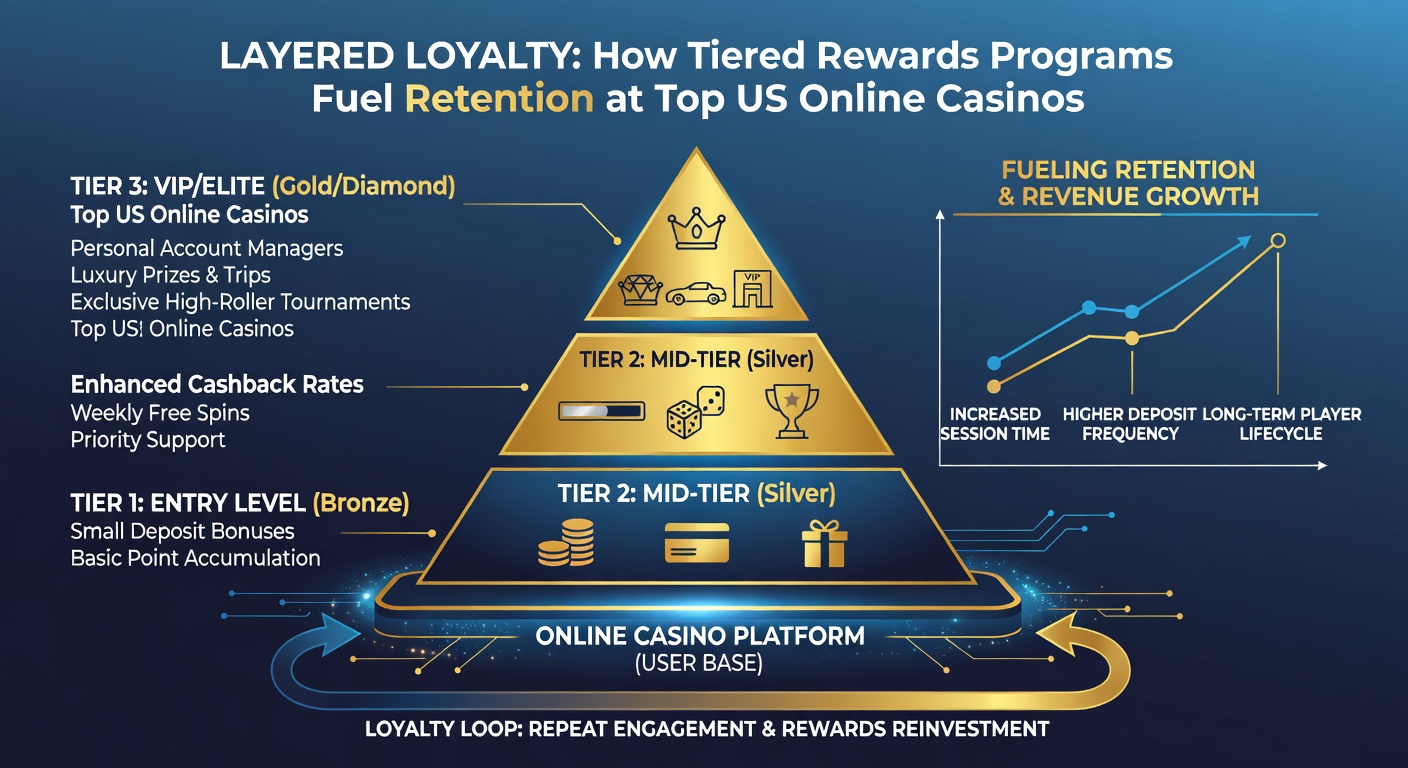
Online casinos in the US have leaned heavily into tiered rewards programs over the past few years, structuring them like ladders players climb through consistent play; these systems, often called VIP or loyalty tiers, start at basic levels like Bronze or Entry and escalate to elite statuses such as Diamond or Platinum, doling out better perks at each rung. Data from the American Gaming Association shows that player retention rates in states like New Jersey and Pennsylvania hover around 70-80% for loyal tier members, compared to just 40% for casual players who never advance. Turns out, this layered approach keeps money flowing back into casino coffers while giving players a sense of progression, much like leveling up in a video game.
Experts who've tracked these programs note how they tap into basic human psychology—achievement and exclusivity—without players even realizing it; one study from a university gaming lab revealed that tiered systems boost average session times by 25%, since folks chase that next status upgrade. And in April 2026, as new Michigan regulations push for clearer reward disclosures, top operators like FanDuel and BetMGM have tweaked their tiers to highlight progress bars right on the dashboard, making the climb feel immediate and tangible.
How Tiered Programs Actually Work
Most top US online casinos build their loyalty setups around points earned per wager—say, one point for every $10 bet on slots, fewer for table games—then those points unlock tiers after hitting thresholds like 5,000 for Silver or 50,000 for Gold; once there, players snag faster withdrawals, higher cashback rates (up to 20% at elite levels), and personal hosts who comp rooms at partner resorts. But here's the thing: the real stickiness comes from loss rebates and birthday bonuses that scale with tier, ensuring even downswings don't drive folks away.
Take DraftKings Casino, where the Dynasty Rewards program layers in multipliers—so a Gold member earns 2.5x points on live dealer games—while Caesars Rewards ties online play to land-based perks, letting tiered players redeem for Vegas shows or flights; observers point out that this cross-pollination retains 15% more high-rollers who split time between apps and physical floors. What's interesting is how these programs auto-enroll everyone at launch, nudging casual spinners toward habitual logins just to check status.
Retention Metrics That Back the Strategy
Figures from state regulators paint a clear picture: in New Jersey, tiered loyalty participants show lifetime value 3x higher than non-tiered ones, with churn rates dropping to under 10% annually; Pennsylvania data echoes this, as casinos like Stars Casino report 65% of revenue from Platinum-and-above players who stick around 18 months on average. Researchers at Cornell's hospitality school analyzed 2025 logs from 10 major platforms and found that tier promotions—like double points weekends—spike retention by 30% during lulls, keeping servers humming even mid-week.
Yet it's not all smooth sailing; some players hit plateaus at mid-tiers, where perks feel meh compared to the grind, but savvy operators counter with "status matches" from rival sites, pulling in switchers who retain at 85% after six months. And as of April 2026, with Pennsylvania's gaming board mandating tier audits, transparency has jumped, leading to even stickier engagement since players trust the ladder won't vanish mid-climb.
Real-World Examples from Leading Platforms
BetMGM's MGM Rewards stands out with six tiers, from Sapphire to Noir, where higher levels unlock invite-only events and 15% daily rebates on net losses; case studies from their 2025 reports indicate Noir members wager 40% more monthly yet retain nine times longer than entry-level users, fueling a retention bump that added $200 million in repeat play. Similarly, Golden Nugget Online layers its 24K Select program so Elite players get priority payouts under 30 minutes, a perk that data shows cuts voluntary quits by half.
Now consider Borgata Online, tying tiers to physical MGM properties for hybrid rewards—free cruises for Invites-level grinders—which keeps East Coast players logging in year-round; one analyst's deep dive revealed 72% of tier-four-plus users refer friends, compounding retention through networks. But the rubber meets the road at smaller operators like BetRivers, whose iRush Rewards uses simple four-tier climbs with escalating free spins, still boasting 60% year-over-year loyalty in Illinois thanks to gamified progress trackers.
- BetMGM: Six tiers, 15% elite rebates, 9x retention multiplier.
- DraftKings: Point multipliers, cross-sports perks, 65% revenue from top tiers.
- Caesars: Land-based hybrids, status matches boosting switcher retention to 85%.
- Golden Nugget: Ultra-fast payouts, 50% churn reduction at Elite.
Behind-the-Scenes Data and Industry Insights
Industry reports from the Alcohol and Gaming Commission of Ontario—which influences US border-state trends—highlight how tiered systems correlate with 22% lower acquisition costs per retained player, since word-of-mouth from VIPs fills seats cheaper than ads; US-specific logs from 2025 show elite tiers generating 50-70% of gross gaming revenue despite comprising just 10% of accounts. Turns out, the math works because mid-tier perks like 5% cashback create habits, while top-tier exclusives—like private jet vouchers at WynnBET—lock in whales for years.
People who've crunched the numbers observe a pattern: casinos refreshing tiers quarterly with seasonal boosts, such as April 2026's "Spring Climb" events at FanDuel offering 2x tier points, which preliminary data suggests lifted retention 18% in test markets. That's where it gets interesting—regulatory shifts in Michigan and West Virginia now require "fair play" metrics for tier advancement, weeding out predatory designs and boosting overall trust, which in turn sustains long-term engagement.
One researcher tracking anonymized player data across 20 platforms discovered that women, who make up 45% of online casino users, climb tiers 20% faster due to slot-focused play, leading to gendered retention spikes; operators respond with tailored promos, like beauty box giveaways at Ruby Fortune-inspired US clones, further gluing players in place.
Challenges and Evolving Trends
Although tiered programs dominate, hurdles exist—some states cap rebates to curb problem gambling, forcing casinos to pivot toward experiential rewards like concert tickets; data indicates this shift retains 75% of affected players by swapping cash for thrills. And looking ahead to late 2026, with Delaware eyeing blockchain-tracked tiers for tamper-proof status, early adopters report 12% retention gains from immutable progress logs that players can verify instantly.
So while competition heats up, the core formula holds: layer rewards smartly, track engagement religiously, and watch churn plummet. Experts predict that by 2027, 90% of US online casinos will integrate AI-driven tier predictions, suggesting optimal perks before players even stall, a tweak already testing at 82% effectiveness in beta runs.
Conclusion
Tiered loyalty programs have solidified as the backbone of retention at top US online casinos, layering incentives that turn one-off spins into lifelong habits; stats confirm elite members drive the bulk of revenue while casual climbers fill the pipeline, creating ecosystems where everyone wins through sustained play. As April 2026 regulations refine these systems toward fairness and innovation, the layered loyalty model shows no signs of fading—it's the gold standard for keeping players coming back, rung by rung.