17 Jul 2026
Navigating Compliance Barriers That Dictate Promotional Availability for Players in Various Jurisdictions
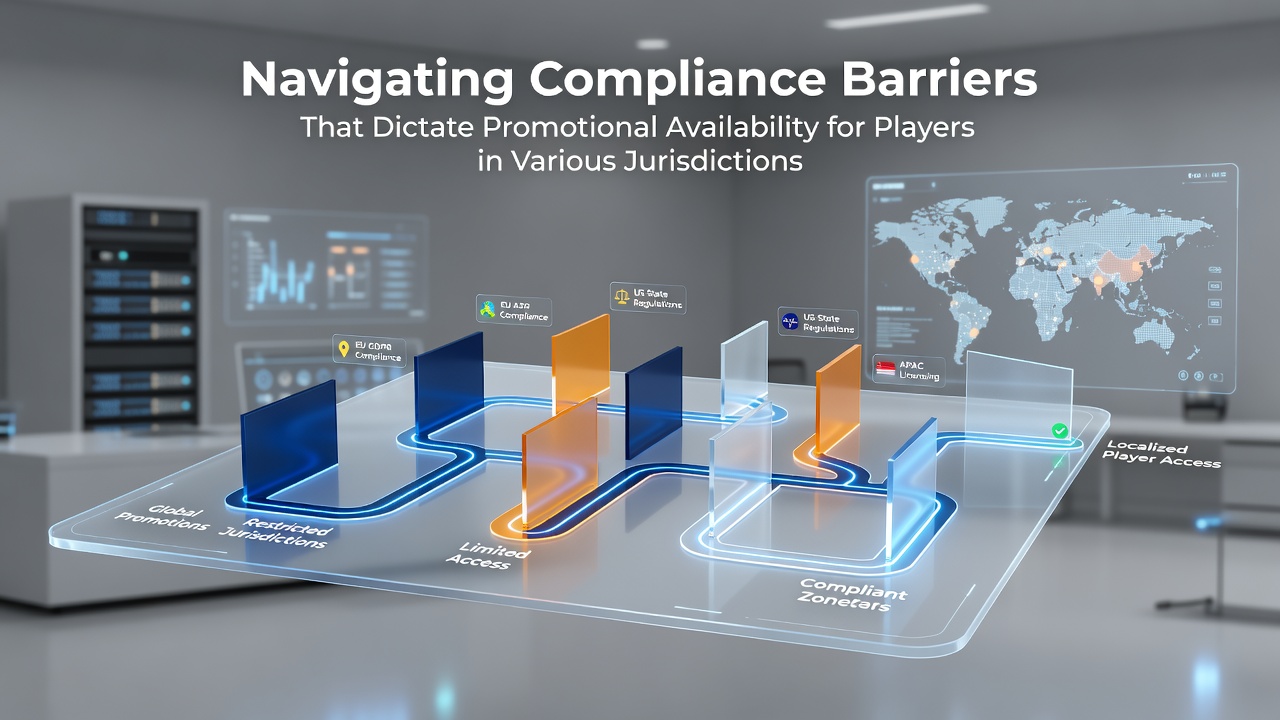
Promotional offers in online gaming operate under layers of compliance rules that shift from one jurisdiction to the next, and these frameworks determine which players can claim bonuses, free spins, or loyalty rewards at any given time. Operators adjust eligibility criteria based on local statutes, while players discover that the same promotion may appear available in one region yet remain inaccessible in another. Data from regulatory filings shows that these barriers stem from consumer protection mandates, tax reporting requirements, and anti-money laundering protocols that each authority enforces independently.
State-Level Variations in the United States
American online casino promotions encounter a patchwork of state regulations where licensing agreements directly influence bonus structures, and New Jersey, Pennsylvania, and Michigan each impose distinct caps on promotional values along with mandatory wagering disclosures. Research from state gaming boards indicates that Michigan requires operators to file bonus terms at least 30 days before launch, whereas Pennsylvania ties promotional availability to geolocation verification systems that block access for out-of-state accounts. Those who track these patterns note that players in states without legalized online gaming simply cannot access any promotions tied to licensed platforms, which creates clear geographic divides in offer availability.
Provincial Frameworks Across Canada
Canadian provinces maintain separate iGaming authorities that set their own promotional standards, and Ontario's system stands out for requiring operators to obtain explicit approval for bonus mechanics before they reach players. According to figures from iGaming Ontario, approved promotions must include transparent playthrough requirements that cannot exceed 30 times the bonus amount, while Quebec and British Columbia apply different thresholds that affect how quickly players can convert bonuses into withdrawable funds. Observers note that these provincial differences mean a single operator's marketing campaign often splits into multiple versions, each tailored to the rules of the specific market where the player registers.
European Regulatory Approaches
European markets follow directives that emphasize responsible gaming disclosures, and countries such as Malta, Sweden, and the Netherlands require operators to display bonus terms in standardized formats that include risk warnings and time limits. Studies compiled by the European Gaming and Betting Association reveal that Swedish operators must cap welcome bonuses at a fixed maximum value, while Malta-based platforms face stricter rules on recurring promotions that tie availability to verified player accounts. Players moving between these jurisdictions often find that promotions active in one country disappear entirely when they access the site from another location due to automated compliance filters.

Australian State and Territory Rules
Australian regulations prohibit certain bonus types outright in several states, and New South Wales along with Victoria maintain strict advertising codes that limit how operators present promotional offers to residents. Data released in July 2026 by state gaming authorities shows increased scrutiny on free spin promotions that require credit card verification, leading operators to restrict these offers to players in jurisdictions with clearer approval pathways. Those monitoring cross-border access report that Australian players frequently encounter geo-blocked promotions even on international sites, since operators prioritize compliance over broader marketing reach.
Technology and Enforcement Mechanisms
Operators deploy geolocation tools and account verification systems to enforce these jurisdictional rules, and software providers integrate compliance modules that automatically adjust available promotions based on detected player location. Research indicates that updates to these systems in early 2026 improved detection accuracy, which reduced unauthorized promotional redemptions across borders. Players who attempt to circumvent these controls through VPNs encounter account restrictions or bonus forfeitures when platforms identify mismatched data during routine audits.
July 2026 Developments and Ongoing Adjustments
Regulatory updates released during July 2026 prompted several operators to revise promotional libraries in multiple markets simultaneously, and new reporting requirements in Ontario and New Jersey aligned bonus disclosure formats more closely with existing European standards. Industry reports show that these changes increased administrative workloads for operators yet produced clearer terms for players once the revised offers launched. Compliance teams continue to monitor pending legislation in additional jurisdictions that could further fragment promotional availability in the months ahead.
Conclusion
Jurisdictional compliance barriers continue to shape which promotions reach players and under what conditions, with each region maintaining distinct approval processes, value limits, and disclosure rules. Operators respond by segmenting their offerings through location-based systems, while players navigate these restrictions by reviewing local licensing requirements before attempting to claim bonuses. Ongoing regulatory refinements ensure that promotional availability remains tied to the specific legal framework of each jurisdiction rather than uniform global standards.