8 Jun 2026
State-by-State Licensing Pacts Shape Game Library Diversity Across American Online Casinos
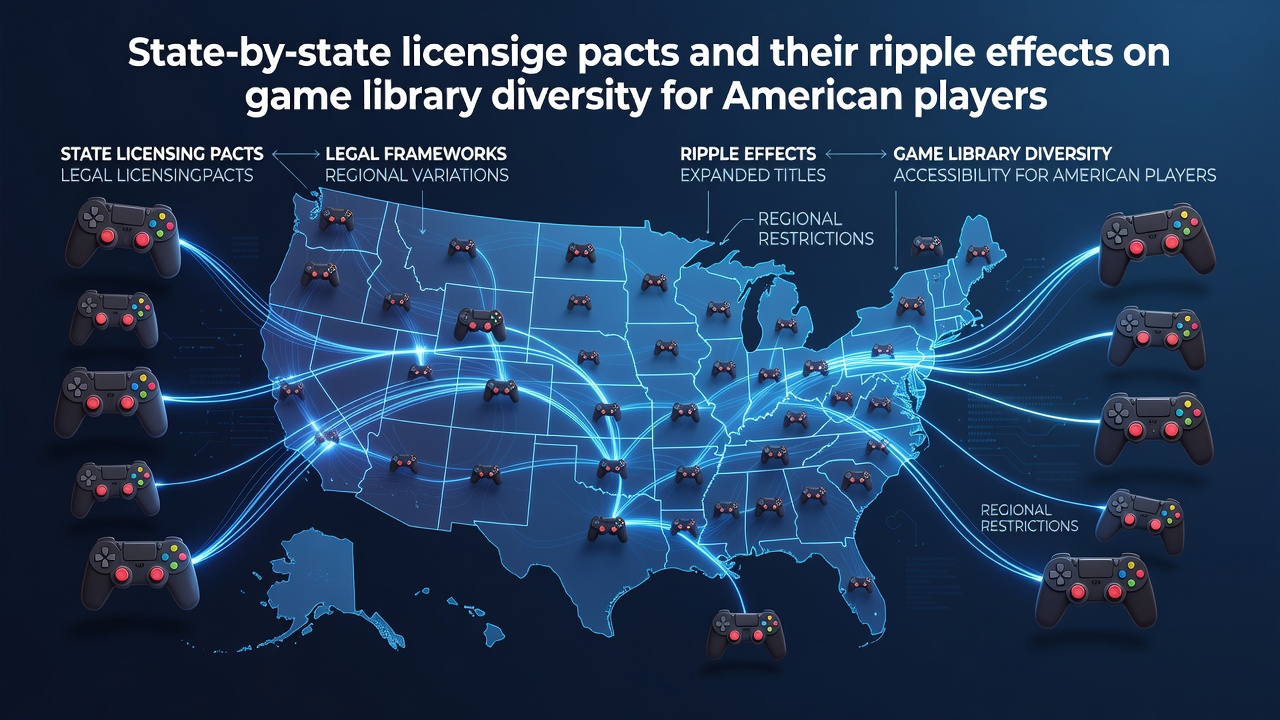
State regulatory frameworks create distinct licensing pacts that determine which software providers can operate in each jurisdiction and these agreements directly influence the range of games accessible to players in different regions. Observers note that multi-state compacts allow operators to navigate overlapping requirements yet the resulting contracts often limit certain titles to specific markets because providers negotiate separate deals based on state revenue shares and compliance standards.
How Interstate Agreements Define Provider Access
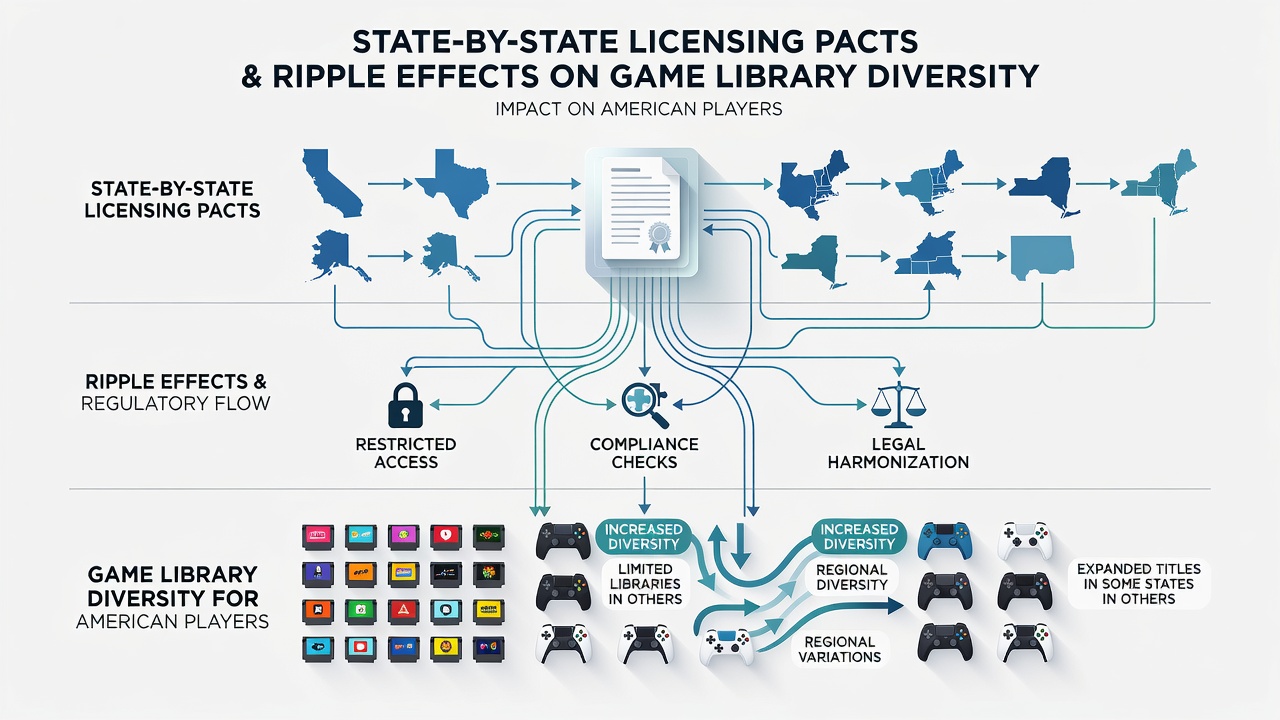
States enter into licensing pacts to streamline oversight while maintaining individual control over taxation and consumer protections and these arrangements typically require game studios to secure approvals that align with each participating jurisdiction's technical and financial criteria. Data from regulatory filings shows that studios frequently prioritize larger markets such as New Jersey and Pennsylvania when allocating development resources because those states generate higher volumes through established player bases. Smaller states without reciprocal pacts end up with narrower libraries since providers weigh the cost of additional certifications against projected returns.
Research indicates that the American Gaming Association tracks these patterns and reports that operators in compact states gain faster access to new releases while those outside such networks wait longer for equivalent content. The process creates uneven distribution where a popular slot title might launch in one state months ahead of neighboring markets because the underlying licensing agreement dictates rollout schedules.
Effects on Game Variety and Player Options
Game library diversity suffers when licensing pacts favor established providers who already maintain compliance teams across multiple states and this dynamic reduces opportunities for smaller studios to enter new territories. Figures reveal that states participating in shared regulatory frameworks see broader selections of live dealer games and progressive jackpots because operators can pool resources to meet collective standards. Yet states operating independently encounter delays in adding niche titles like certain table game variants or branded content because each additional approval adds administrative overhead.
One study from the University of Nevada's gaming research center found that players in pact-aligned states encounter up to 30 percent more unique game IDs on average compared to those in non-aligned markets and this gap stems directly from streamlined provider agreements rather than differences in demand. The reality is that diversity expands most noticeably in categories such as branded slots and virtual sports when multi-state deals cover certification costs.
Recent Shifts Observed Through June 2026
Developments through June 2026 highlight expanded discussions among Midwestern states exploring new pacts modeled on existing East Coast arrangements and these talks focus on harmonizing RNG certification processes to accelerate game approvals. Data shows several operators have begun testing cross-state content libraries in pilot programs where licensing agreements permit shared progressive jackpot networks. Observers note that such experiments increase library depth in participating states without requiring full regulatory merger.
Canadian regulators through the Alcohol and Gaming Commission of Ontario provide comparative examples of how provincial compacts affect provider participation and American states reference those models when drafting their own agreements. The outcome produces measurable differences in available titles particularly for games requiring advanced graphics or complex bonus mechanics that demand additional state-specific testing.
Provider Strategies and Market Fragmentation
Software companies respond to these pacts by segmenting their portfolios according to state clusters and this segmentation leads to situations where certain mechanics remain exclusive to specific regions for extended periods. Industry reports indicate that providers allocate marketing budgets toward states where licensing pacts reduce time-to-market and this focus further concentrates popular releases in already diverse markets. Players in fragmented states therefore see slower adoption of newer mechanics such as buy-a-bonus features or cluster-pay systems until agreements expand.
Those who've tracked filings note that revenue-sharing clauses within pacts often determine whether a studio pursues approval in secondary markets and lower shares correlate with reduced library growth over time. The pattern repeats across slot categories where high-volatility titles appear first in states with favorable compact terms.
Conclusion
State-by-state licensing pacts continue to mold game library diversity by controlling provider access and rollout timing across American jurisdictions. Evidence from regulatory data and academic analyses confirms that compact participation expands options while independent frameworks create constraints that limit variety. As additional states evaluate similar agreements through 2026 the distribution of titles will likely shift in measurable ways that reflect the underlying terms of those pacts.