24 Jun 2026
The Domino Effect of Cross-Border Data Protocols on Reward Customization in Sanctioned Digital Venues
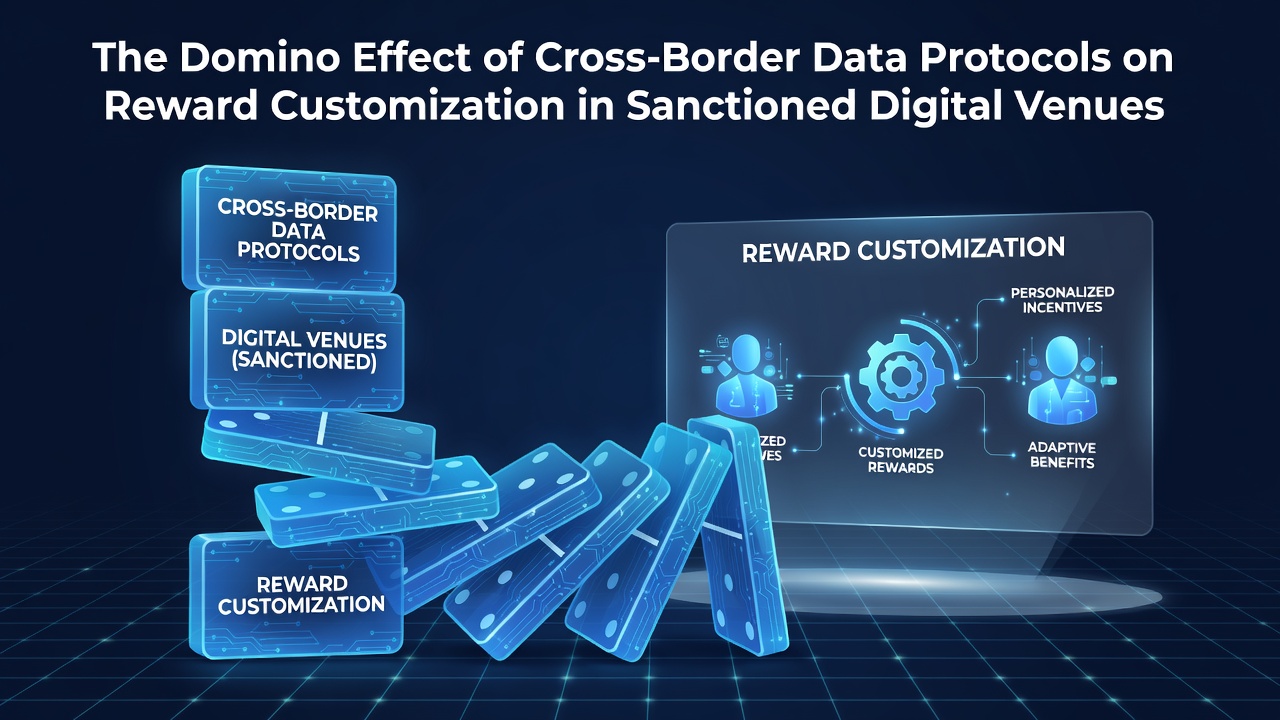 Data protocols that span national borders create ripple effects across sanctioned digital venues where operators must balance compliance requirements with the technical demands of personalizing player rewards, and these interactions shape how loyalty programs and bonus structures operate in regulated markets. Jurisdictions enforce rules on data transfer and consent that directly influence the algorithms used to tailor incentives such as deposit matches or free spins. Operators in multi-state or international networks face layered obligations under frameworks like the European Union's data protection regulations and similar statutes in North America and Asia-Pacific regions. These rules determine what player information can move between servers located in different countries, which in turn limits the granularity of reward customization available at any single venue. When one jurisdiction tightens transfer requirements, downstream systems in connected markets adjust their data collection practices to maintain continuity.
Protocol Layers and Their Reach
Cross-border data protocols consist of technical standards plus legal mandates that govern encryption, consent logging, and audit trails, and sanctioned venues integrate these elements into their backend platforms to avoid enforcement actions. Research from the Australian Institute of Criminology indicates that gaming operators handling player data across borders allocate substantial portions of their compliance budgets to protocol alignment rather than feature development.
Take one operator managing platforms in both Canadian provinces and Australian states who discovered that differing consent mechanisms forced separate reward engines for each region, which reduced the ability to offer unified loyalty tiers across user bases. That separation created administrative overhead and delayed rollout of new personalization features until protocol harmonization occurred.
Reward Customization Mechanics Under Constraint
Customization relies on real-time analysis of player behavior, deposit patterns, and engagement metrics, yet data protocols restrict the scope of information that can feed those models when venues operate under multiple regulatory umbrellas. Figures from the National Council of Legislators from Gaming States show that venues in states with strict data residency rules report narrower reward variety compared with single-jurisdiction sites.
Observers note that bonus structures such as cashback percentages or tournament entry credits become more generic when cross-border transfers require explicit opt-in at each step, because the reduced dataset limits predictive accuracy. Venues respond by segmenting player pools into protocol-compliant groups and applying static reward schedules within those segments.
Chain Reactions Across Venues and Markets
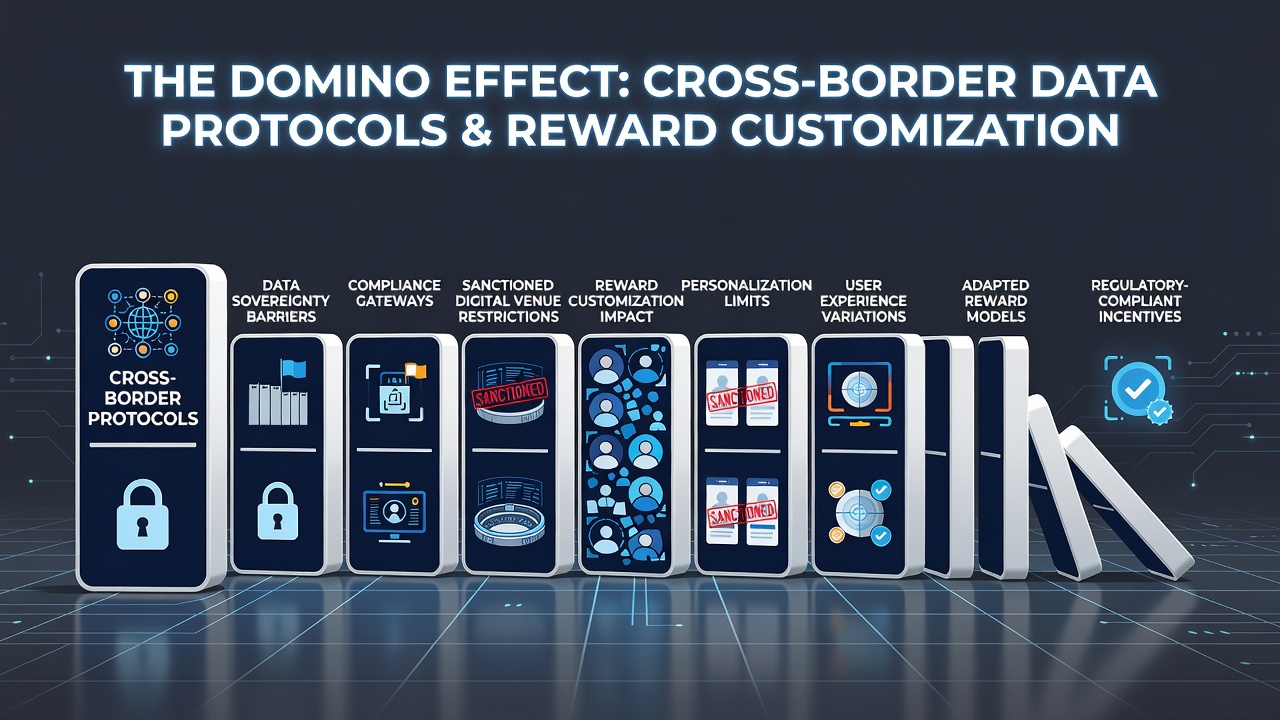
One adjustment in a single market triggers adjustments elsewhere because platforms share infrastructure and vendor agreements, and this interconnection amplifies the initial protocol change into broader operational shifts. In June 2026 several North American operators updated their data handling agreements following revised Canadian provincial guidelines, which prompted corresponding changes in reward eligibility criteria for players accessing the same platforms from U.S. states.
Industry associations such as the European Gaming and Betting Association have documented similar cascades where a European data localization update altered how Asian partner venues structured VIP reward ladders to maintain contractual parity. The result appears in reduced cross-promotion between regions and slower adoption of dynamic bonus tools that depend on aggregated datasets.
Technical and Operational Adjustments
Venues implement localized data lakes and consent management platforms to satisfy protocol requirements while preserving reward functionality, and these solutions often involve third-party vendors specializing in regulated data flows. According to a report issued by the University of Nevada's International Gaming Institute, operators that invested early in modular reward engines experienced fewer disruptions when new transfer rules took effect.
Yet the added layers increase latency in reward delivery because each request routes through additional compliance checkpoints before the system can calculate and apply a personalized offer. Players notice longer processing times for bonus claims that previously completed in seconds, particularly when accounts span multiple sanctioned jurisdictions.
Regulatory Coordination and Future Trajectories
Coordination efforts among regulators in the United States, Canada, and Australia focus on mutual recognition of data handling standards to reduce friction for operators, and early pilot programs show modest improvements in reward flexibility where agreements exist. Data from the Canadian Gaming Association reveals that venues operating under such aligned frameworks maintain higher rates of customized loyalty rewards than those navigating fully divergent rulesets.
What's significant is the ongoing development of standardized audit formats that allow regulators to verify compliance without restricting the data fields needed for personalization engines. Those who've studied these systems observe that venues adopting shared protocol templates gain operational headroom for testing new reward mechanics ahead of competitors still managing separate compliance tracks.
Conclusion
The interplay between cross-border data protocols and reward customization in sanctioned digital venues produces measurable shifts in how operators structure incentives and manage player data across regions, and these shifts continue to evolve as regulators refine transfer rules and technical standards. Venues that align infrastructure with emerging coordination mechanisms sustain broader customization options while meeting compliance obligations, whereas others adapt through segmentation and simplified reward schedules. The patterns observed through mid-2026 underscore the interconnected nature of protocol changes and their downstream effects on operational capabilities in regulated markets.