6 Jul 2026
The Interconnection of Player Behavior Analytics and Customized Promotion Deployments in US-Regulated Sites
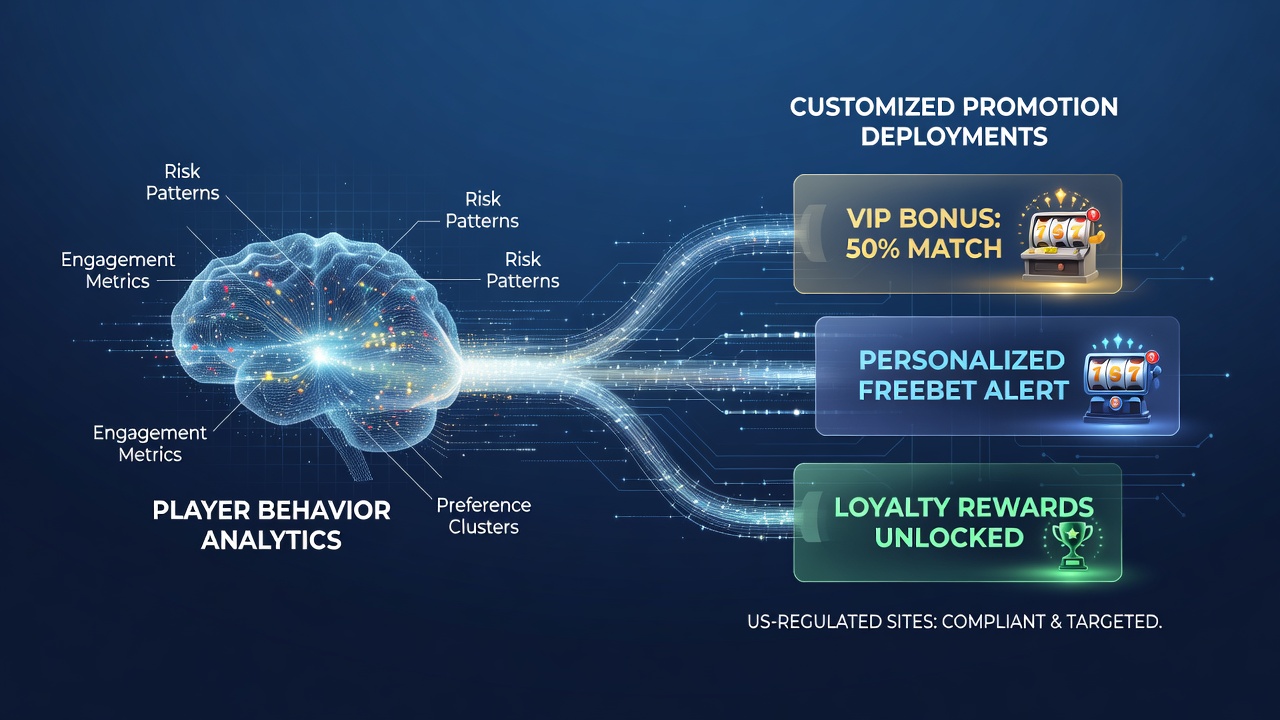
Operators in US-regulated online gaming markets rely on player behavior analytics to shape promotion strategies that align with individual activity patterns and state compliance requirements, and this connection has grown more precise as data collection tools mature across platforms licensed in states like New Jersey, Pennsylvania, and Michigan. Systems track session duration, game preferences, deposit frequency, and withdrawal habits while feeding results into algorithms that generate targeted offers such as free spins, deposit matches, or loyalty rewards calibrated to each account's risk profile and engagement level.
Data Collection Foundations in Licensed Environments
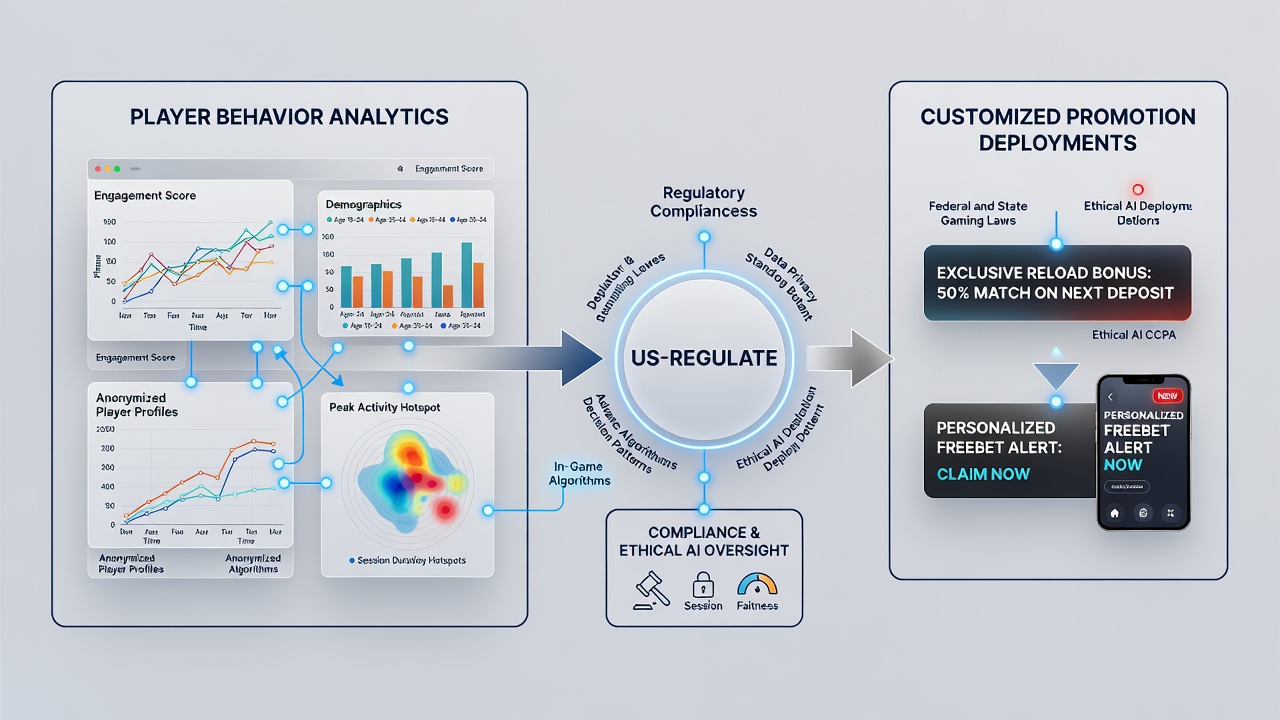
Regulated sites gather information through integrated software that records every interaction from login times to bet sizing, and these streams feed centralized databases maintained under oversight from bodies including the New Jersey Division of Gaming Enforcement. Analysts segment users into cohorts based on metrics like average wager size and game volatility tolerance, which allows operators to distinguish high-frequency players from occasional visitors without violating privacy rules embedded in each state's licensing agreements. As of July 2026, several platforms report that refined segmentation has enabled promotion response rates to climb when offers match documented play rhythms rather than generic blasts sent to entire user bases.
Algorithmic Matching of Promotions to Behaviors
Customized deployments begin once analytics engines identify triggers such as consecutive losses or extended play streaks, at which point the system queues appropriate incentives that encourage continued activity within responsible gaming boundaries. A player who favors live dealer tables might receive a targeted reload bonus timed to peak hours, whereas slot enthusiasts could see free spin packages tied to specific titles that match their historical return-to-player exposure. These decisions rest on machine learning models trained on aggregated historical data from millions of sessions, and operators adjust parameters continuously to stay within the parameters set by each state's regulatory framework.
State-Level Variations in Implementation
Differences emerge across jurisdictions because each licensing authority imposes distinct reporting standards for promotional spend and player protection measures. Pennsylvania's gaming control board requires detailed logs of bonus issuance and redemption rates, while Michigan emphasizes geofencing accuracy alongside behavioral monitoring, and operators adapt their analytics dashboards accordingly to satisfy both sets of demands simultaneously. Observers note that platforms operating across multiple states often maintain separate promotion queues for each license to avoid cross-contamination of data that could trigger compliance reviews.
Integration with Loyalty and Retention Systems
Tiered reward structures draw directly from the same behavioral datasets that inform one-time promotions, creating continuity between daily offers and long-term status benefits. Players who demonstrate consistent deposit patterns over quarterly windows earn elevated loyalty points that unlock exclusive tournaments or cashback percentages, and the progression mechanics update automatically as new activity data flows into the system. This layered approach reduces the need for manual campaign management while maintaining audit trails required by state auditors.
Regulatory Oversight and Compliance Mechanisms
US regulators examine how analytics influence promotion fairness through periodic audits that review both the algorithms and their outputs for signs of predatory targeting. Data from the American Gaming Association shows that licensed operators allocate increasing portions of marketing budgets to behaviorally informed campaigns, partly because these methods demonstrate clearer return on investment when measured against traditional broad-spectrum advertising. External reviews from academic research centers have examined correlations between promotion timing and player session length, confirming that alignment improves retention metrics without increasing problem gambling indicators when safeguards remain active.
Technical Infrastructure Supporting the Connection
Cloud-based platforms host the analytics engines that process real-time inputs and push promotion triggers through APIs connected to the front-end gaming interface. Security protocols encrypt behavioral profiles during transmission, and access controls limit visibility to authorized staff who operate under strict nondisclosure agreements tied to each state's licensing conditions. Updates rolled out in early 2026 introduced enhanced anomaly detection that flags unusual promotion redemption clusters for immediate review before they affect larger player populations.
Future Trajectories in Multi-State Operations
Expansion into additional states will require analytics systems to accommodate varying tax structures and responsible gaming thresholds, prompting operators to develop modular promotion engines that can be reconfigured without full system overhauls. Partnerships between software providers and regulatory technology firms have produced compliance modules that automatically adjust offer parameters based on jurisdiction-specific rules, reducing manual oversight while preserving the core link between observed behavior and deployed incentives.
Conclusion
The linkage between player behavior analytics and customized promotion deployments continues to define operational strategies across US-regulated gaming sites, supported by maturing data infrastructure and coordinated regulatory frameworks that balance commercial objectives with consumer protections. As platforms refine segmentation techniques and states standardize reporting expectations, the precision of these interconnections will shape how incentives reach players while remaining within established legal boundaries.