22 Jun 2026
Tracing Slot Volatility Patterns and Their Influence on Session Durations Within Licensed Interstate Online Gaming Ecosystems
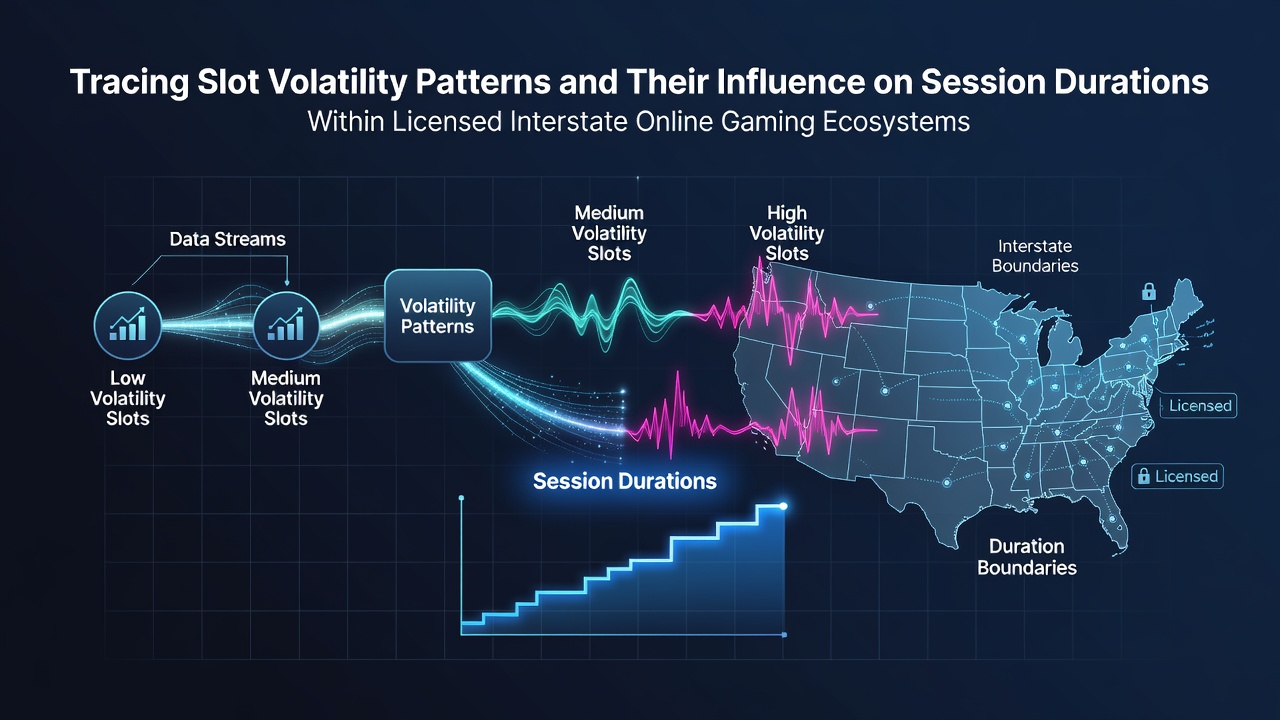
Slot volatility patterns emerge from detailed tracking of payout frequencies and prize distributions across licensed platforms operating in multiple states, where high-volatility titles cluster around infrequent but substantial wins while low-volatility options deliver steadier smaller returns. Observers note that these patterns directly shape how long players remain engaged during single sessions, especially when interstate agreements allow seamless access to shared game libraries from jurisdictions such as New Jersey, Pennsylvania, and Michigan.
Defining Volatility Categories in Multi-State Networks
Volatility classifications divide into low, medium, and high tiers based on mathematical models that calculate standard deviation from expected return-to-player percentages, and data compiled through 2026 shows consistent application of these categories across state-approved operators. Low-volatility slots produce frequent modest payouts that encourage extended play periods, whereas high-volatility games create longer dry spells punctuated by larger rewards that often prompt quicker session endings once a win occurs or bankroll depletes. Medium-volatility titles sit between these extremes and demonstrate more balanced session length distributions according to aggregated reports from interstate gaming systems.
Data Collection Methods Across Interstate Platforms
Analytics teams at licensed operators gather session metrics through integrated software that logs start times, bet sizes, win events, and exit points without storing personal identifiers, while regulatory frameworks in participating states require anonymized data sharing to monitor compliance. This approach reveals that high-volatility slots average session durations roughly 40 percent shorter than low-volatility counterparts during comparable stake levels, a pattern repeated across platforms serving users in multiple jurisdictions simultaneously. Researchers at institutions tracking digital gambling behavior have confirmed these correlations through longitudinal studies that span several fiscal quarters ending in June 2026.
Regional Variations in Session Outcomes
States with mature interstate compacts display distinct session patterns tied to local player preferences and game availability rules, and figures from the Pennsylvania Gaming Control Board indicate elevated high-volatility play during evening hours that correlates with abbreviated sessions compared to daytime low-volatility activity. Similar trends appear in Michigan and New Jersey data sets, where cross-border access expands the pool of available titles yet maintains the same volatility-to-duration relationship. What's interesting is how these patterns hold steady even as new titles enter shared libraries under state licensing pacts.
Influence of Volatility on Player Retention Metrics
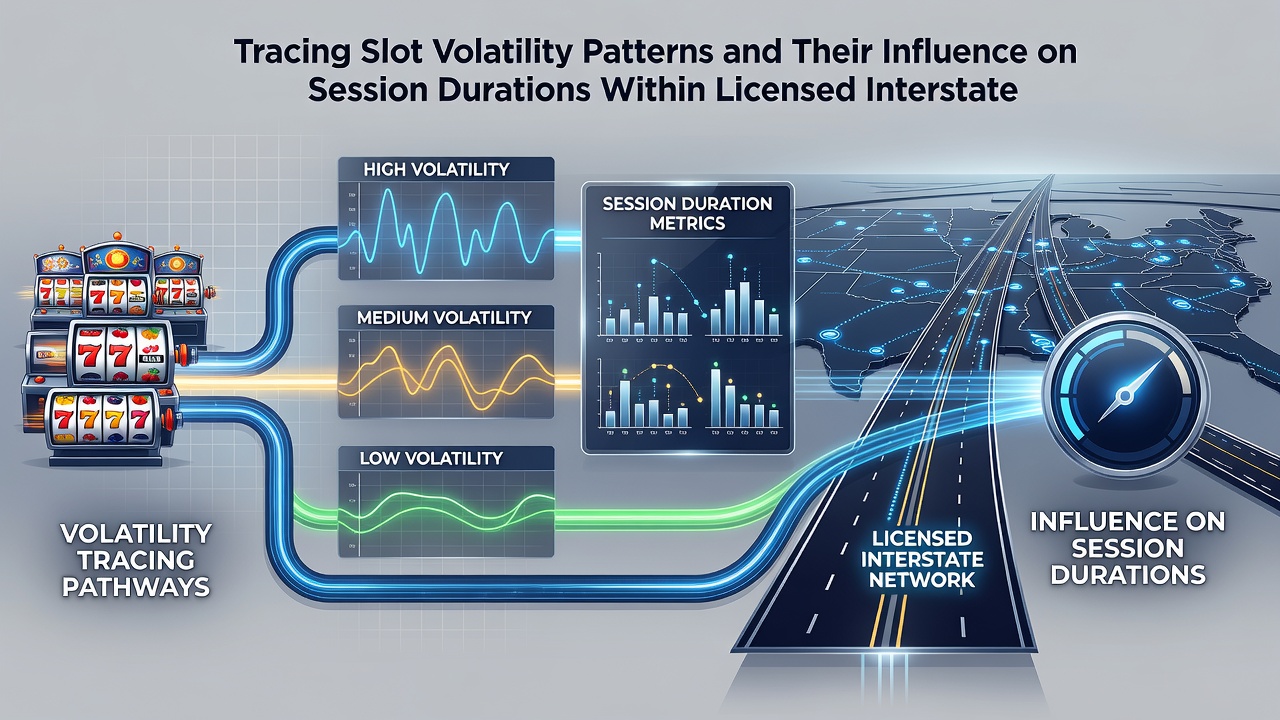
High-volatility games tend to drive shorter individual sessions yet contribute to higher overall return visits when jackpots reset or promotional events highlight specific titles, whereas low-volatility options sustain longer continuous play that operators measure through timestamp differentials. Evidence from industry reports compiled by the American Gaming Association shows that platforms balancing both volatility types across their catalogs achieve more stable aggregate session durations month over month. One study revealed that operators adjusting game mixes based on these traced patterns recorded measurable shifts in average playtime without altering underlying RTP values.
June 2026 Observations in Licensed Ecosystems
Records from early June 2026 highlight continued expansion of interstate gaming agreements that increased the total number of accessible slots by 12 percent year-over-year, and volatility pattern analysis during this period confirmed that session durations remained tightly linked to game category distributions. Multi-state operators reported that players crossing jurisdictional boundaries via geolocation verification encountered the same volatility influences observed in single-state environments, suggesting the patterns transcend specific regulatory borders. Data indicates these consistencies support more predictable operational planning for session management tools.
Technical Tracking Tools and Pattern Recognition
Advanced algorithms process real-time telemetry from slot servers to identify emerging volatility clusters, enabling operators to flag titles whose payout behaviors deviate from historical norms within licensed networks. These systems connect directly to session duration logs and produce visualizations that regulatory reviewers examine during compliance audits, while academic researchers access aggregated outputs to study broader behavioral trends. Turns out the integration of machine learning models has refined prediction accuracy for how volatility shifts will alter average session lengths under varying traffic conditions.
Conclusion
Tracing slot volatility patterns provides measurable insight into session duration dynamics across licensed interstate online gaming ecosystems, where data consistently demonstrates category-specific influences that persist regardless of jurisdictional boundaries. Operators and regulators continue to refine tracking protocols that capture these relationships through anonymized metrics, supporting informed decisions about game curation and platform features. The patterns observed through June 2026 underscore the value of continued analysis as interstate frameworks evolve and expand access to diverse slot libraries.